Home » Services » Moving Cleanouts » Seller Left Junk After Closing? What Buyers Can Do

Seller Left Junk After Closing? What Buyers Can Do
Finding furniture, boxes, or a garage full of someone else’s belongings after closing is more common than most buyers expect. Start by checking your purchase agreement for a personal property or possession clause, then loop in your agent before you touch anything—some contracts spell out what happens, others don’t. Once you’re clear to proceed, clearing it out is usually just a matter of staging it and booking a haul-away.
Table of Contents
Your Options When a Seller Left Junk Behind
A few paths are typical, roughly in the order most buyers try them:
- Reread your purchase agreement. Many contracts include language about the property being delivered “broom clean” or specify what happens if personal property is left behind—check this first before assuming anything.
- Contact your agent or the seller’s agent. This is usually the fastest way to find out whether the seller plans to come back for it, or whether it’s considered abandoned.
- Send written notice if your contract or local law calls for it. Some states require a buyer to give a seller a window to reclaim items before disposing of them—this varies, so don’t assume a national rule applies.
- Handle the cleanout yourself once you’re in the clear. Once ownership or abandonment is settled, the items are yours to deal with—donate, keep, or haul away.
"Can I Just Throw Away Stuff the Previous Owner Left?"
It depends on your contract and where the property is located. Some purchase agreements explicitly address this; some state and local laws set a waiting period or notice requirement before leftover personal property can be treated as abandoned. This isn’t something a blog post can answer definitively for every situation—if there’s any ambiguity, a quick call to your real estate agent or a local attorney is worth it before you clear anything out. Once you’ve confirmed you’re clear to proceed, the practical part—getting it off the property—is the easy half.
What Counts as "Left Behind" vs. Personal Property Someone Might Want Back
Not everything left in a house gets the same treatment:
- Likely fine to clear out once confirmed: old furniture, broken appliances, yard debris, general clutter in a garage or basement
- Worth a second look first: anything that looks like it has personal or sentimental value—documents, photos, mail, or clearly labeled boxes
- Flag immediately: anything that suggests the seller is still actively using the space, or items connected to an unresolved move-out timeline
When in doubt, a quick photo and a message to your agent costs nothing and avoids a dispute later.
How to Document What Was Left Behind
Before anything leaves the property, it’s worth having a record:
- Take dated photos of each room or area with items left behind
- Make a simple written list—item, location, approximate condition
- Share the photos and list with your agent so there’s a record on file
- Hold onto anything that looks clearly personal (not furniture or trash) for a reasonable window before disposing of it, consistent with your contract or your agent’s guidance
Clearing It Out Once You're in the Clear
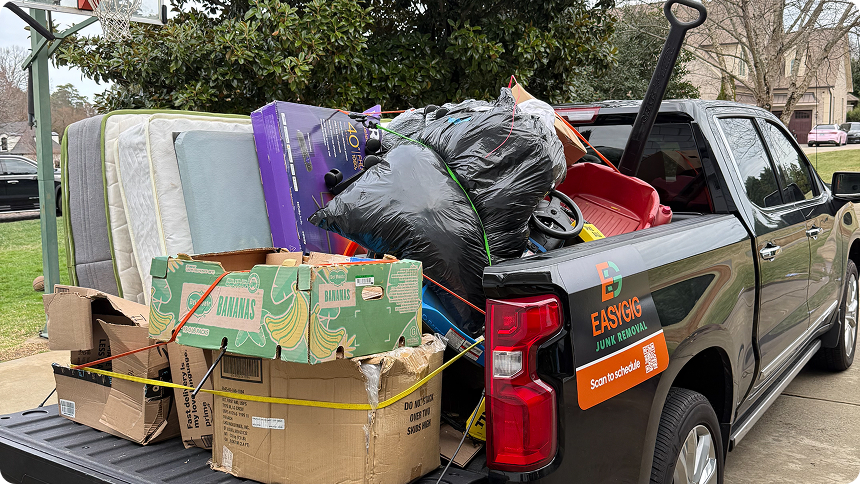
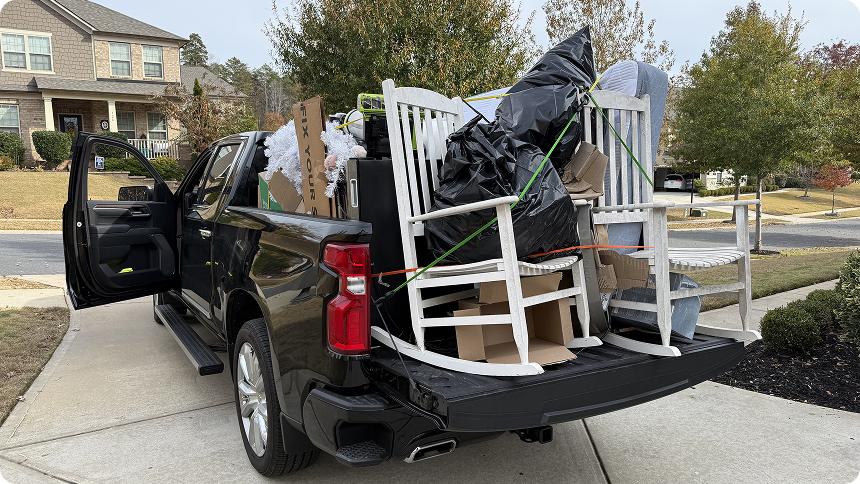
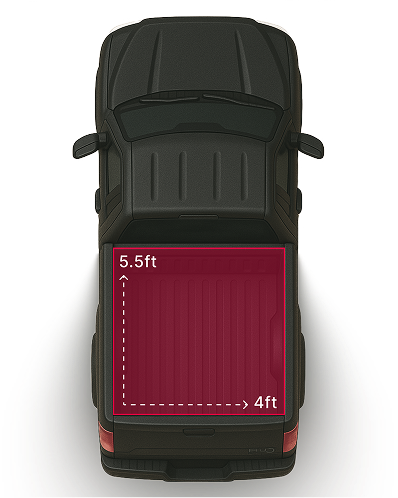
Once ownership of the leftover items is settled, getting them off the property works the same way as any other cleanout. Stage what’s being removed at the curb, in the driveway, or in an easily accessible garage—EasyGig haulers pick up from those spots only and never enter a home, so everything needs to be outside and ready before booking. A full pickup-truck-bed load books at a flat $150, with no per-item pricing and no surprise add-ons once a hauler is on-site. If the seller left more than fits in one load—which happens more often than buyers expect, especially with a garage or basement full of old furniture and boxes—additional truckloads book at the same flat rate. The Home Cleanout and Garage & Storage Cleanout pages cover what’s typically involved in each.
A Note for Agents Handling This on a Buyer's Behalf
Agents often end up as the go-between when a seller leaves items behind, especially if the buyer is out of town during the handoff. If this comes up often in your transactions, EasyGig’s Realtors page covers how flat-rate, no-quote pickups fit into a closing timeline when a property needs to be cleared quickly and predictably.
Frequently Asked Questions
What if the seller left furniture I actually want to keep? That’s a different situation than disposal—if you want to keep something, loop in your agent to confirm there’s no issue with ownership before assuming it’s yours to use.
How long should I wait before clearing out items the seller left behind? There’s no single answer—it depends on your purchase agreement and local law. Check both, or ask your agent, before disposing of anything beyond obvious trash or debris.
Can my real estate agent help resolve this? Often, yes. Agents regularly deal with leftover personal property after closing and can usually tell you quickly whether it’s a simple cleanout or something that needs more care.
What if the house is full of junk, not just a few items? A single flat-rate truckload may not cover a full house—see the What Fits in a Truckload page for sizing, and plan on multiple bookings at the same flat rate if needed.
Does EasyGig haul away items left in a garage or basement? Yes, as long as they’re staged at the curb, in the driveway, or in an easily accessible garage. EasyGig haulers don’t go inside the home or down to a basement, so anything there needs to be moved out first.
Once you’ve confirmed what’s yours to clear, book a pickup with EasyGig and get the leftover junk off your new property at a flat $150 per truckload.