Home » Junk Removal » Furniture Removal » What to Do With Furniture You’re Not Taking When You Move

What to Do With Furniture You're Not Taking When You Move
Furniture is where every move gets complicated. It is heavy, expensive to transport, and unlike a box of clothes, you cannot decide in five seconds whether it is coming with you. Once you decide a piece is not making the trip, another question immediately follows: What should you do with it?
There are four main options: sell it, donate it, dispose of it, or store it. Each option makes sense for a different type of furniture. Here is how to decide which choice is right for what you have.
The Decision Tree
Ask these questions in order to quickly identify the best option:
- Is it in good condition and worth a meaningful amount of money? Sell it.
- Is it usable but not worth the time or effort required to sell? Donate it.
- Is it broken, heavily worn, or unlikely to be useful to someone else? Dispose of it.
- Will you genuinely need it later but lack space for it now? Store it, but be realistic about whether the storage cost is worthwhile.

Option 1: Sell It
Selling is worthwhile when a piece has genuine resale value, such as solid wood furniture, name-brand items, or anything in excellent condition. However, this option usually only makes sense when you have enough time before your move. Taking photos, creating listings, responding to buyers, and arranging pickup can take days or even weeks.
Best for: Dressers, solid wood tables, higher-end furniture, and pieces that are still in demand, such as mid-century designs or recognised brands.
Skip this if: You are moving within the next few days. A rushed sale price may not be worth the time and effort required to manage it.
Option 2: Donate It
Donation is often the best option for furniture that will not be coming to your new home but is still functional and in good condition. This includes pieces you no longer need, do not have room for, or plan to replace.
What is usually accepted for donation:
- Furniture without major damage, stains, or structural problems
- Upholstered items without tears, odours, or signs of pests
- Clean, functional furniture, even if the style is dated
How furniture donation typically works:
- Many charities and donation organisations offer free furniture pickup, which can be especially helpful if you do not have access to a truck.
- Some donations may be tax-deductible. Keep the receipt and an itemised list if you plan to claim the donation.
- Donation centres may have strict condition requirements. Heavily worn, stained, or damaged items are often refused and may need to be disposed of instead.
Best for: Couches, chairs, tables, and other furniture that is in good working condition but no longer fits your space or needs.


Option 3: Junk It
Once a piece is broken, structurally unsafe, water-damaged, or otherwise unsuitable for donation or resale, disposal is usually the most practical option. There is no shame in this category—many pieces reach this point by the time a move happens.
What usually falls into this category:
- Particleboard furniture that is swollen, warped, or falling apart
- Items with broken frames, missing legs, or structural damage
- Upholstered furniture with heavy stains, tears, or strong odours
- Furniture that donation centres have already declined
Best for: Furniture that is clearly no longer in suitable condition for donation or resale.
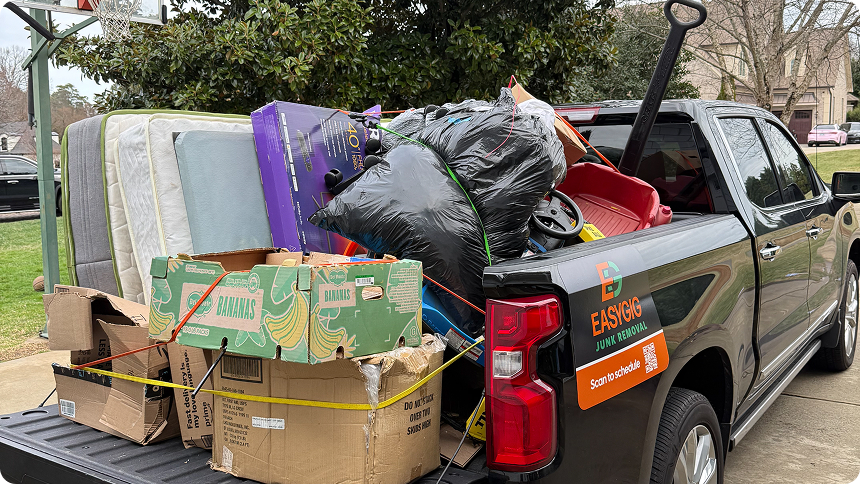
The advantage of this option is speed. A flat-rate junk removal service can often collect several bulky furniture pieces in one trip, without the need to create listings, wait for a donation pickup, or make multiple trips to a disposal site. When you are working against a moving deadline, this is often the fastest way to remove the items on your schedule.
Option 4: Store It
Be careful with storage. It is often the default choice when you are not ready to make a decision, but it can simply delay the decision to sell, donate, or dispose of the item while adding an ongoing monthly cost.
Storage may make sense when:
- You are between homes and know you will need the furniture again soon.
- The item has sentimental value or would be expensive to replace.
- You are short on time but have a clear plan to review the decision later.
Storage may not make sense when:
- You are keeping something “just in case” without a realistic plan to use it again.
- The storage fees could exceed the item’s value within a year or two.
- You are using storage to avoid deciding whether to donate or dispose of the item.

Putting It Together
Most moves end up with a mix of all four a couple of pieces worth selling, several bound for donation, a few that are simply done, and maybe one or two genuinely worth storing. The trick is being honest about which bucket each piece actually belongs in, rather than defaulting everything to “I’ll figure it out later” that’s usually how storage units quietly become expensive junk removal jobs six months down the line anyway.
Sorted your furniture into piles and need the “junk” pile gone before moving day? A flat-rate truckload pickup can usually clear multiple pieces in one trip, no waiting on a donation schedule or hauling it yourself.