Home » Side Hustle » What You Actually Need to Start Hauling (Spoiler: Less Than You Think)

What You Actually Need to Start Hauling (Spoiler: Less Than You Think)
“Low barrier to entry” comes up often when people discuss junk hauling as a side hustle. It is true, but low does not mean zero. Most guides either oversimplify the process by saying, “Just get a truck,” or overwhelm you with business setup steps that only apply when starting a full company from scratch.
Here is the practical breakdown: what you actually need, what is optional, and where the traditional and platform-based routes differ.
The Traditional Route: Building It Yourself
If you’re starting a junk hauling side hustle completely independently, finding your own customers, setting your own prices, handling everything yourself, here’s roughly what that involves:
Requirement | Typical Cost/Effort |
|---|---|
Vehicle (truck or van) | Already own one, or cost varies widely |
General liability insurance | ~$30–$80/month |
Business license | ~$50–$200 (varies by city/state) |
Dump/transfer station account | Setup and per-load fees vary significantly by county/state, some are free to register, others charge |
Waste hauler permit (some states) | Varies by state, not universal |
Marketing/lead generation | Ongoing: Google Business Profile, local ads, referrals |
Finding your first customers | Time-intensive: reviews and reputation take months to build |
None of this is unreasonable, it’s genuinely one of the more accessible trades to get into compared to most small businesses. But “low barrier” still means real upfront steps: registering something, insuring yourself, figuring out your local dump/transfer station rules, and often the hardest part generating your own leads while you have zero reviews and zero reputation yet.
The Platform Route: What Actually Changes
This is where platform-based hauling through EasyGig and similar services can simplify a large part of the process. Instead of building a customer base and marketing presence from scratch, you gain access to demand that already exists.
What typically stays the same:
- You still need a suitable vehicle. This may be a truck or van, depending on the types and sizes of jobs you plan to accept.
- Insurance is still important. Some platforms may require proof of coverage before you can begin accepting jobs.
What usually changes:
- No marketing or lead generation: Jobs come through the platform, so you do not need to build a Google Business Profile or spend months collecting reviews.
- No pricing negotiations: The payout is shown before you accept the job, eliminating the need to haggle with customers over the cost of a cleanout.
- A faster start: Registration is typically completed through a short online process rather than weeks of business setup and paperwork.
- A standalone business licence may not be required: Requirements vary by location and platform, so it is important to check the rules that apply in your area.
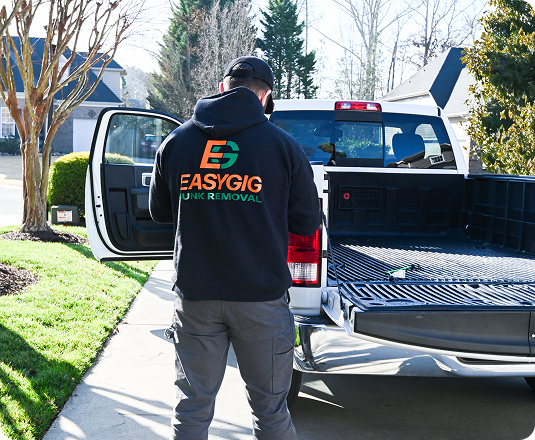
That last point is worth considering: much of the difficulty in starting a junk-hauling business has little to do with the hauling itself. The real barriers are often registering the business, arranging insurance, marketing your services, and spending months building a reputation.
Platform-based hauling does not remove every requirement, but it can eliminate many of the steps that are unrelated to completing the work.

What You Genuinely Can't Skip
Regardless of which route you take, a few things are essential:
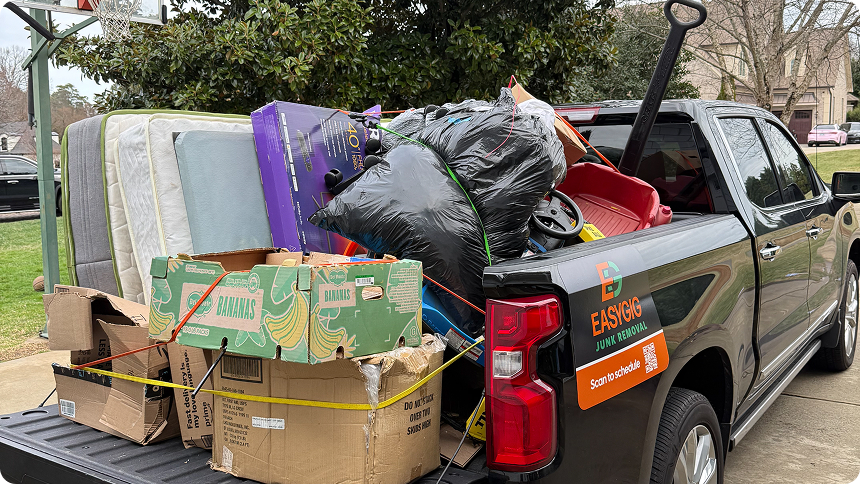
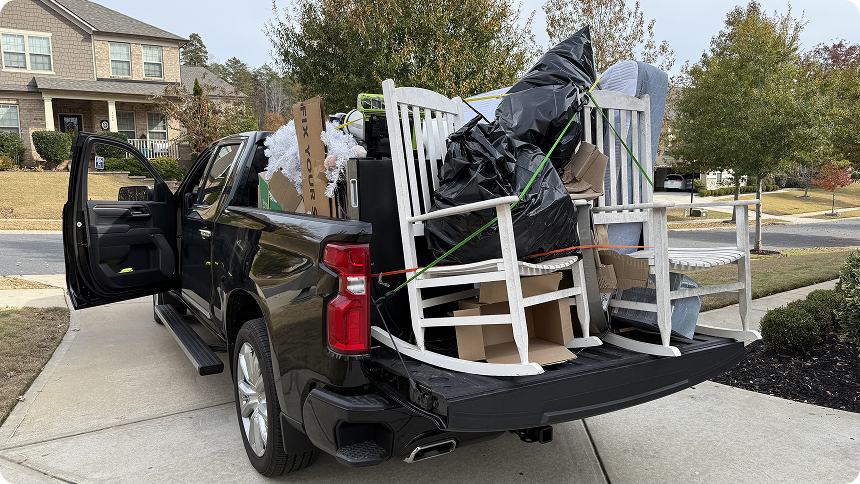
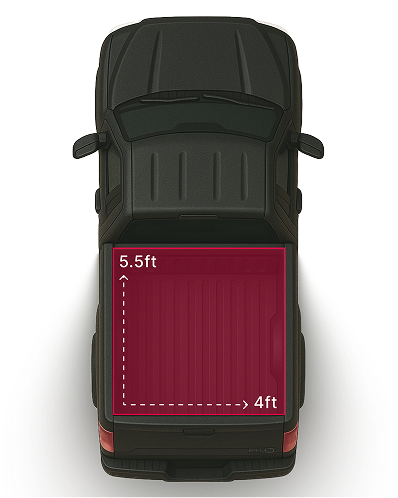
- A reliable vehicle: A standard pickup with a full-size bed can handle most residential jobs. You do not need a box truck to get started.
- Basic equipment: A furniture dolly, moving straps, gloves, and tarps are relatively inexpensive but still necessary.
- Insurance: Even when it is not legally required, insurance can turn a scratched floor from an expensive problem into a manageable inconvenience.
- Physical capability: Junk hauling involves real physical work, including lifting, loading, and carrying. No platform changes that part.
The Real Question to Ask Before Starting
The real question is less about whether you can afford to start and more about how much of the non-hauling work you are willing to handle yourself.
If building a local business including marketing, pricing, and reputation management genuinely appeals to you, the traditional route offers complete control and potentially greater long-term earning potential. If you are more interested in the hauling itself, including the driving, physical work, and flexibility, a platform-based route can reduce much of the overhead and help you start accepting jobs sooner.
Either way, the barrier to entry is lower than it is for many side hustles. A suitable truck and a willingness to do physical work cover more of the requirements than many people expect. The remaining decision is how much of the business side you want to build yourself and how much you would rather avoid.