Home » The Landfill Guide: How to Use the Dump Safely, Efficiently, and Without the Hassle

The Landfill Guide: How to Use the Dump Safely, Efficiently, and Without the Hassle
Taking a trip to the landfill sounds simple, load up the truck, drive over, dump it, done. But anyone who’s actually made that trip knows it’s rarely that easy. Between long lines, confusing fee structures, restricted items, and real safety hazards, a landfill run can eat up half a day if you don’t know what you’re doing. This guide covers what most people don’t know about using the dump, so your next trip goes faster and safer.
If you’re ever unsure about a specific item, fee, or rule, your best resource is your county or municipal landfill’s own website, most post accepted items, hours, and pricing directly online. When in doubt, a quick phone call to the facility before you load up can save you a wasted trip.
Before You Go: What to Know First
Not all landfills accept the same things. Every facility has its own list of accepted and banned items and getting turned away after waiting in line is one of the most common (and avoidable) landfill frustrations. Before loading your vehicle, check your local landfill’s website or call ahead to confirm:
- What items are accepted
- Whether fees apply, and how they’re calculated (by weight, by load size, or a flat rate)
- Hours of operation, since many landfills have limited weekday hours and shorter weekend hours
- Whether you need a permit, residency proof, or account to use the facility
Sort before you de-load. Landfills often separate waste into different drop-off zones for general waste, yard waste, metal, concrete, appliances, and hazardous materials frequently each have their own designated area. Sorting items in advance saves significant time once you’re on-site.
What You Typically Cannot Bring to a Standard Landfill
Most municipal landfills ban the same core categories of items, since these require specialized handling:
- Household hazardous waste: paint, solvents, pesticides, pool chemicals
- Electronics: TVs, computers, monitors (often banned or require a recycling fee due to lead and mercury content)
- Tires: banned or subject to a separate fee at most facilities
- Batteries: especially rechargeable and lithium batteries
- Appliances with refrigerants: refrigerators, freezers, and AC units often require refrigerant removal first
- Medical waste: needles, medications, and biohazard materials
- Propane tanks and other pressurized containers
If you’re not sure whether an item is accepted, it’s always worth a quick call before you drive over.
How Landfill Fees Actually Work
Landfill pricing isn’t always straightforward, and it catches a lot of first-time visitors off guard. Common fee structures include:
- Weight-based pricing: vehicles are weighed on arrival and departure, with fees calculated per ton
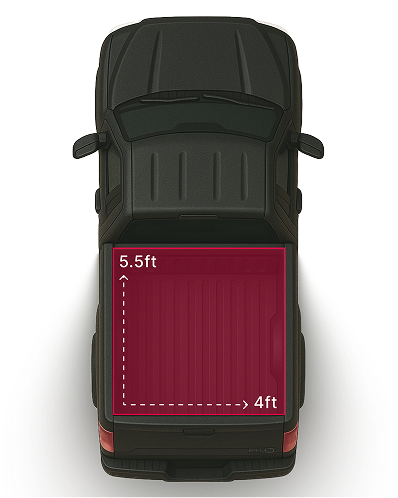
- Volume-based pricing: based on truck bed size or trailer dimensions
- Flat per-load fees: a set price regardless of exact weight or volume
- Per-item fees: common for tires, mattresses, and appliances, charged in addition to general fees
Landfill Safety Tips Most People Skip
A landfill is an active industrial site with heavy equipment, moving vehicles, and unstable footing, it’s not just an oversized trash can. Keep these safety basics in mind:
Wear the right gear. Closed-toe shoes are typically required, and gloves are strongly recommended when handling debris, broken glass, or sharp materials.
Stay aware of vehicle traffic. Landfills involve constant movement from dump trucks, loaders, and compactors. Always follow posted traffic patterns and staff directions, and never back up without a spotter if you’re maneuvering a trailer.
Secure your load before and after. Unsecured items can fall out during transport, creating a hazard on the road and at the facility. Use tie-downs or a tarp, especially for loose debris.
Watch for sharp or hazardous materials mixed into loads. Broken glass, nails, and unknown liquids are common hidden hazards in mixed debris piles, handle unfamiliar items cautiously.
Tips for a Faster Landfill Trip
- Go early on weekdays. Weekends and midday hours tend to have the longest lines, especially in spring and summer.
- Pre-sort your load into categories before you arrive, rather than sorting on-site while others wait behind you.
- Confirm accepted items ahead of time to avoid a wasted trip if part of your load gets rejected.
- Ask staff, not just signage, landfill rules change, and on-site staff usually have the most current information.
When Skipping the Dump Altogether Makes More Sense
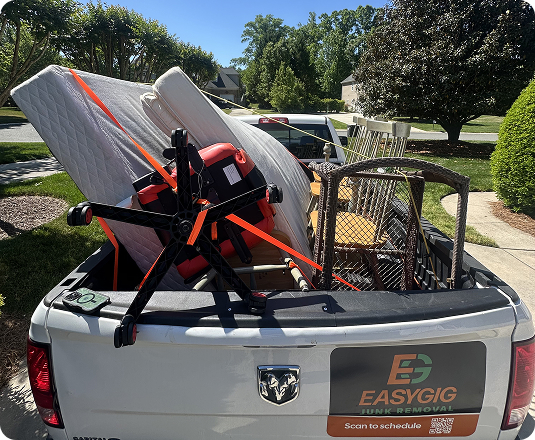
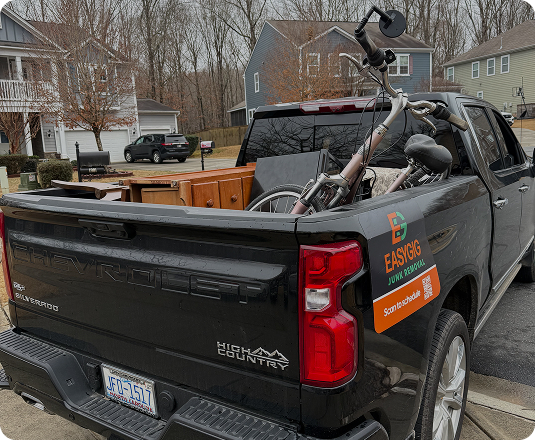
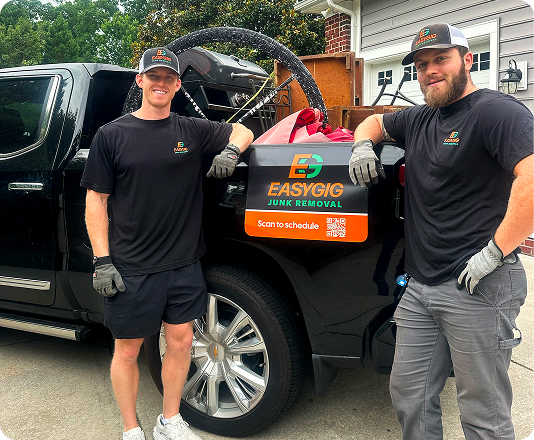
Between sorting rules, fee structures, wait times, and safety considerations, a landfill run isn’t always worth doing yourself, especially for large cleanouts, renovation debris, or items that require special handling like electronics or tires. On-demand junk removal services like EasyGig handle the hauling and proper disposal of non-hazardous items for you.
Household hazardous waste, such as paint and chemicals, still needs to go directly to a certified hazardous waste facility. See the sections above for what’s typically banned from standard drop-off.
Frequently Asked Questions
Do I need an appointment to use the landfill? It depends on the facility. Some accept walk-ins, while others, especially those handling hazardous waste, may require scheduling in advance.
Can I bring a mixed load of trash and recyclables? Most landfills require separation, and bringing a mixed load can result in extra sorting fees or a rejected load.
Why was I turned away with a full load? This usually happens when a load contains banned items, like electronics or tires, mixed in with general waste. Calling ahead to confirm accepted items can prevent this.
Where can I find accurate rules for my specific landfill? Rules, fees, and accepted items vary by county and municipality, so your local landfill’s website is the most reliable source. If anything is unclear, calling the facility directly is the fastest way to get a straight answer before you make the trip.
Is it cheaper to go to the landfill myself or book a junk removal service? It depends on the size and type of your load. For small, straightforward loads, a landfill trip may be cheaper. For large volumes, mixed materials, or restricted items, a junk removal service often saves both time and hassle.
Skip the Line with EasyGig
You now know how to safely navigate the landfill for hazardous items, fees, and safety rules on your own. For everything else like furniture, appliances, electronics, tires, and general clutter, EasyGig handles the hauling and proper disposal, so you can skip the dump entirely and get your space cleared out on your schedule.
Ready to skip the landfill line?